
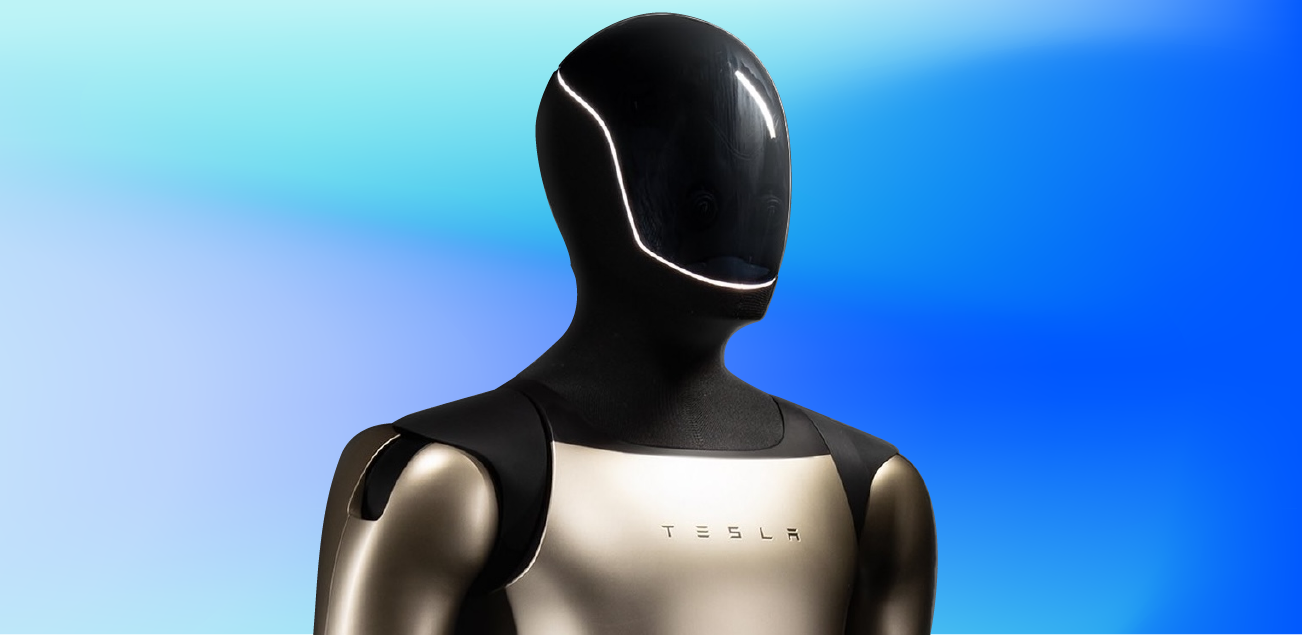
On January 28, 2026, during Tesla's Q4 earnings call, Elon Musk announced the end of Model S and Model X production at the Fremont factory. The floor space is being repurposed for one thing: Optimus humanoid robot manufacturing, targeting one million units annually.
This is not a roadmap announcement. Tesla has already signed a 108,000 sq ft R&D lease and a 267,099 sq ft industrial campus lease near Fremont — both configured for robotics engineering, software integration, and high-power manufacturing. The city of Fremont issued a statement confirming the transition will not result in job losses.
On March 31, 2026, Musk confirmed that Optimus Gen 3 is walking but needs finishing touches before public reveal. The production intent prototype was originally targeted for Q1 2026. Low-volume output is now pointed at summer 2026, with volume ramp in 2027.
The Gen 3 hands are already production-ready. Tesla upgraded from 11 degrees of freedom in Gen 2 to 22 DoF in the Gen 3 hand system — a 4.5x increase in actuator count over two years. The result is a robot capable of handling tasks that require sub-millimeter precision without constant supervision.
Tesla's strategy is to use its own factories as the training ground before selling to external customers. This is exactly the simulation-first logic at the heart of modern robotics deployment. Train in a controlled environment. Accumulate real-world data. Then scale.
For industrial operators watching this space, the signal is clear: humanoid robotics is no longer a research story. It is a manufacturing story. The infrastructure is being built. The timelines are compressing. The companies that build automation muscle now will operate at a permanently different cost baseline from those who wait.
Expected consumer pricing: $25,000 to $40,000 for early 2026 models, with a long-term target below $20,000. External sales are planned for late 2026 to enterprise customers first.
Tesla's Fremont conversion is a global signal. The simulation-first methodology — build a digital twin, train the robot virtually, deploy hardware that already knows the environment — is now the operating standard at the world's most ambitious robotics program. At Helpforce AI, we deploy that same methodology for Pakistan's warehouses and security operations. The technology is here. The window for first movers is closing.